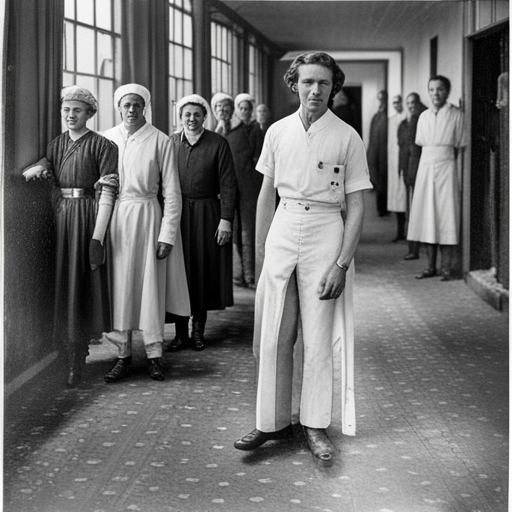
An obstetrics and gynecology hospital is where women can go to receive care for problems related to the female reproductive system. These two areas of medical specialization are obstetrics (concerning pregnancy and birth) and gynecology (dealing with issues that affect the uterus, vagina and fallopian tubes). Doctors who are certified in obstetrics and gynecology are often referred to as OB/GYNs or ob/gynecologists.
OB/GYNs are trained to work with patients through many stages of their lives, including early puberty and menopause. They can perform a range of inpatient and outpatient procedures, including pelvic exams and ultrasounds, sterilization surgeries like hysteroscopies and hysterectomies, and even surgery for endometriosis and ovarian cysts. In addition to treating disease and managing pregnancies, OB/GYNs also offer regular preventive care for females and teens, such as breast cancer screenings, sexually transmitted infections testing and Pap smears.강남산부인과
A doctor who specializes in obstetrics and gynecology can find employment in a variety of settings, including private practice, community practices and hospitals. Oftentimes, they must be prepared to work long hours due to the unpredictable nature of pregnancy and childbirth. OB/GYNs can also expect to spend many hours preparing for patient visits and conducting research, attending seminars and participating in meetings.

The qualifications that a physician must have to become an OB/GYN include a bachelor’s degree and four years of medical school training, followed by a residency in which they learn the skills to perform various treatments under the supervision of more experienced physicians. In addition, an OB/GYN must have excellent interpersonal skills because he or she is dealing with patients who are at intimate moments in their lives.하이푸시술
While some people have a strong desire to be an OB/GYN, it’s important to understand the responsibilities and challenges associated with this career choice. A person who wishes to become an OB/GYN should have a passion for women’s health and have a keen understanding of reproductive physiology. It’s also important to have strong communication capabilities, as the subject matter is very personal and can cause anxiety.
After a woman gives birth, the obstetrician will monitor her health for the first one to four days after she’s released from the hospital. During this time, the OB/GYN will check blood pressure and weight, listen to the baby’s heartbeat and feel the bump to determine its size and location. They will also make sure the uterus is recovering properly and that there are no complications, such as blood clots. They will then allow the patient to return home. During subsequent follow-up visits, the obstetrician will test the blood pressure and weight, as well as examine the uterus and vagina for any abnormalities. They will also discuss future pregnancies and contraceptive methods. They may also administer medication or recommend exercise to help the mother regain her strength. Depending on the situation, they might refer the patient to other specialists or conduct diagnostic tests, such as an MRI. This could be necessary if the doctor suspects an abnormality or the patient has a condition, such as high blood pressure or gestational diabetes, that requires additional treatment.